What is Artery Disease?
Arterial disease is divided into 2 groups:
- Peripheral artery disease (PAD) i.e. occlusive
- Aneurysms i.e. expansive
What is Peripheral Artery Disease (PAD)?
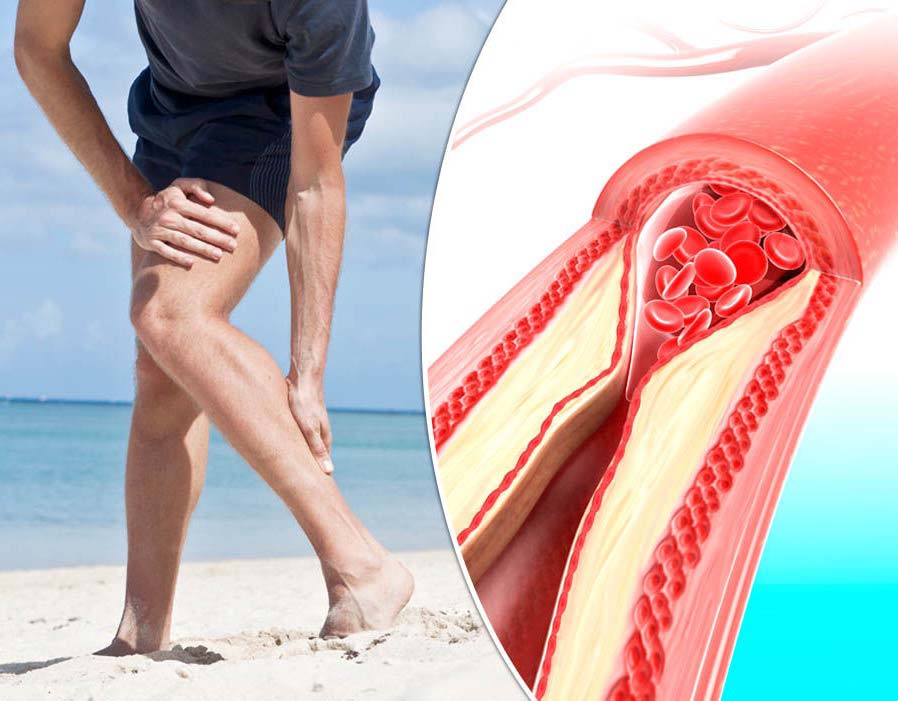

Peripheral Artery Disease, abbreviated as PAH, is a very common and serious condition. PAH often develops when excess cholesterol and fat in the blood accumulates on the walls of the arteries that feed the limbs. This buildup, called plaque, prevents blood flow by narrowing or completely blocking the arteries. Although PAH is most commonly seen in the legs, it can also be seen in the vessels that carry blood to your brain, arms, kidneys, and intestines. The most common complaint in patients with PAH is pain in the legs while walking.
What Causes Peripheral Artery Disease?
The exact mechanism of the formation of plaques called atherosclerosis in the walls of blood vessels is still not fully understood. However, it is known that certain conditions and habits increase the chance of plaques and therefore PAH formation. If:
- If you are over 50.
- If you smoke or have smoked in the past. Smoking increases the risk of PAD by 4 times.
- If you have diabetes. PAD occurs in 1/3 of people over 50 who have diabetes.
- If you have hypertension. High blood pressure accelerates the formation of plaque in the arteries.
- If you have high cholesterol. Excess cholesterol and fat molecules in your blood accumulate in the artery walls to form plaque.
- If you have a family history of coronary heart disease, stroke, and PAD.
Then we can say that you are at risk of developing PAH. The more of these conditions and habits an individual has, the higher the risk of PAH.
What are the Signs and Symptoms of Peripheral Artery Disease?

The most typical symptom;
- The pain called claudication is a pain that occurs when walking and goes away with rest, radiating to the hip, thigh or calf. When the pain occurs, the patient has to stop. He/she can never walk. When the patient has to stop, he/she starts looking around (such as at store windows) in order not to attract attention. For this reason, the ancients called this sign “Showcase Ailment”. Many patients ignore this complaint, thinking that it is an ordinary leg pain due to aging, and neglect it by not going to the doctor.
Other symptoms include;
- Resting pain in the legs and feet that is severe enough to disrupt sleep at night,
- Wounds on the feet and toes that are very difficult to heal (or sometimes do not heal at all),
- Color changes in the toes (whitening or bruising),
- Coldness in the feet,
- Slowing down of toenail growth and loss of leg hair,
However, as we mentioned above, most patients with PAH unfortunately do not have any symptoms. If you have risk factors and think you may have this disease, you should definitely be examined by a Cardiovascular Surgery Specialist so that the necessary precautions can be taken.
How Is Peripheral Artery Disease Diagnosed?
Your doctor will start by asking you some questions (about you and your family members). Then he/she will examine you and do some tests.
Your doctor will ask you questions such as;
- Whether you have diabetes, hypertension or high cholesterol,
- Whether you smoke,
- Whether you or your family has coronary artery disease,
- Whether you have any complaints about your feet while sitting, walking, standing or climbing stairs/hills,
Your doctor will perform a physical exam by feeling for pulses in certain areas of your body and also looking for changes in the color of your nail beds and temperature in your feet.
The first method to be used as a test is the extremely simple test called the Ankle Brachial Index (ABI). This test consists of measuring the leg and arm blood pressures with a regular blood pressure monitor and comparing them to each other. The ABI test is highly accurate in diagnosing PAH. However, it cannot show which vessels are blocked. For this purpose, a Doppler test is used. Doppler shows us which vessels are diseased and the rate of stenosis. If an interventional treatment for PAH is planned according to the Doppler result, angiography may be required as an advanced imaging method. Your doctor will also want to do a blood test to check your cholesterol level and whether you have diabetes.
How is Peripheral Artery Disease Treated?

The main goals in the treatment of peripheral artery disease are to reduce complaints, increase quality of life, eliminate mobility restrictions, prevent limb loss, and prevent heart attack and stroke. There are 3 steps in the treatment of PAH:
- Making life changes such as quitting smoking, eating a balanced diet, living an active life, losing weight, controlling blood pressure, cholesterol and blood sugar
- Using blood thinners, blood pressure or diabetes medications if necessary
- In some cases, performing an interventional treatment such as angioplasty or surgery
Your doctor will start the most appropriate one or combination of these treatment options depending on the severity of your disease and the urgency of your condition.